


Solutions
Chemical Solutions
Practical chemical sourcing solutions tailored to different industries and application needs.
recommend
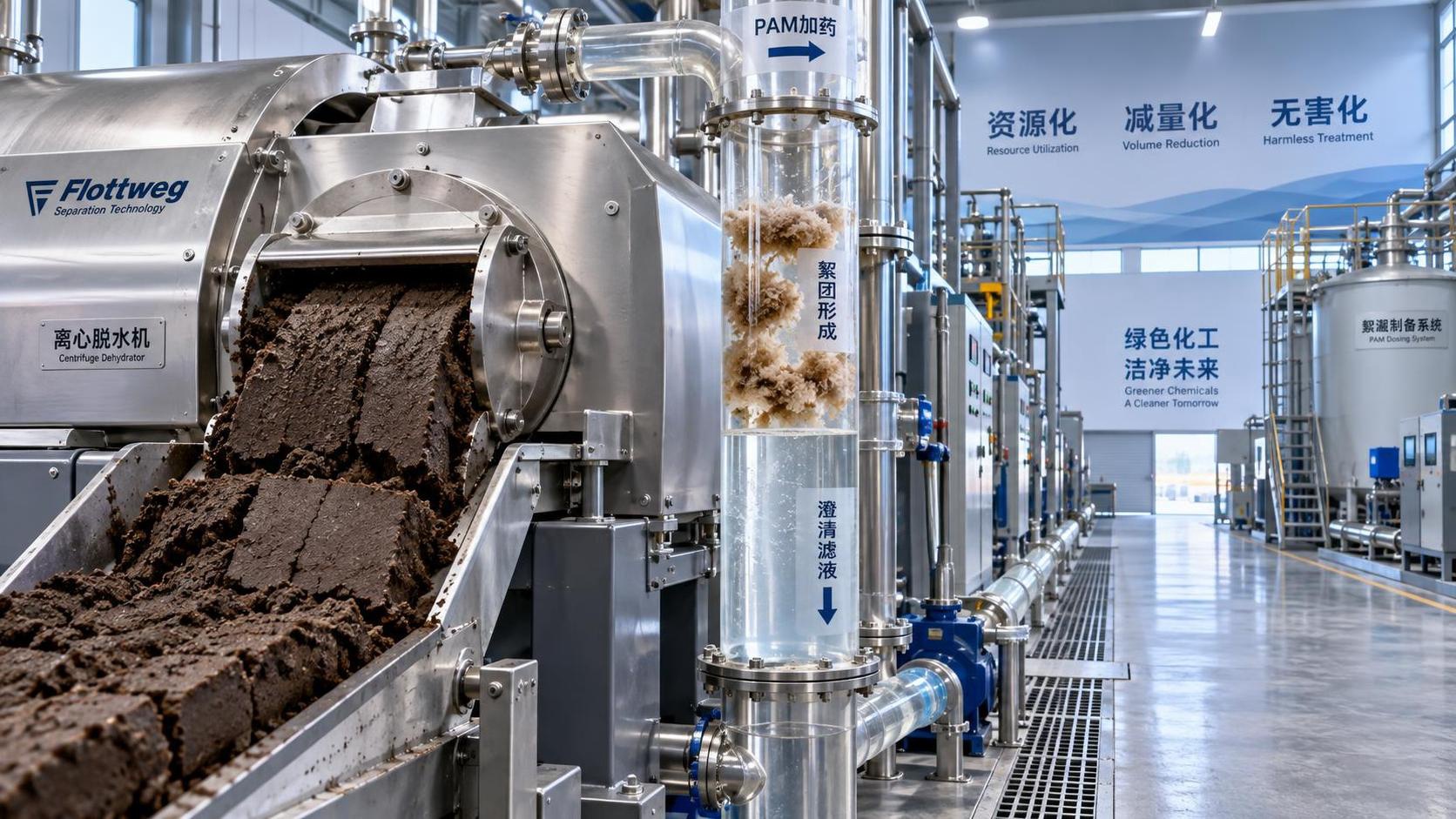
 Choosing Polyacrylamide Grades by Sludge Dewatering Cost and Cake Solids
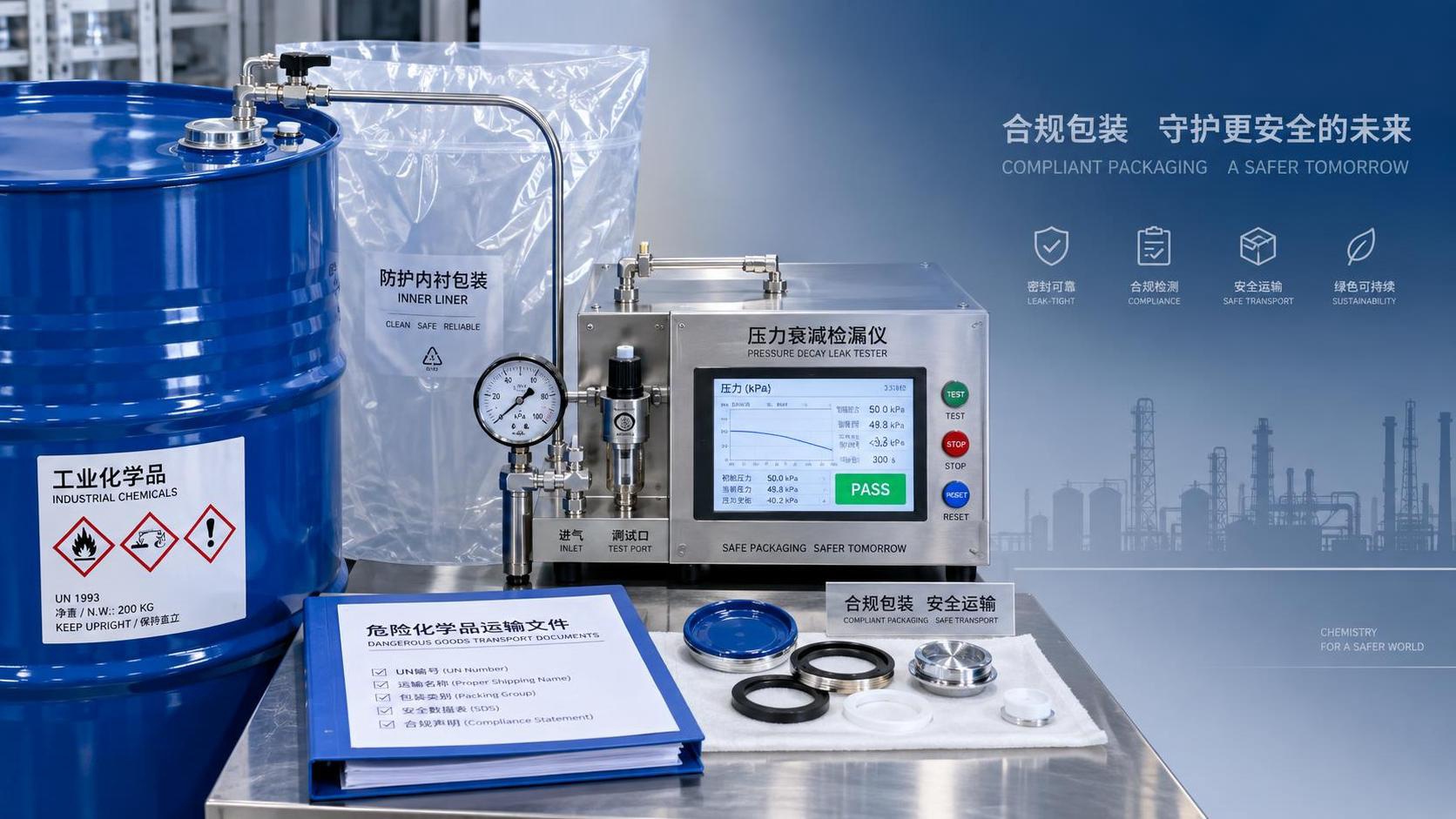
 Custom Chemical Packaging: Leak Tests and Compliance Checks for Hazardous Transport
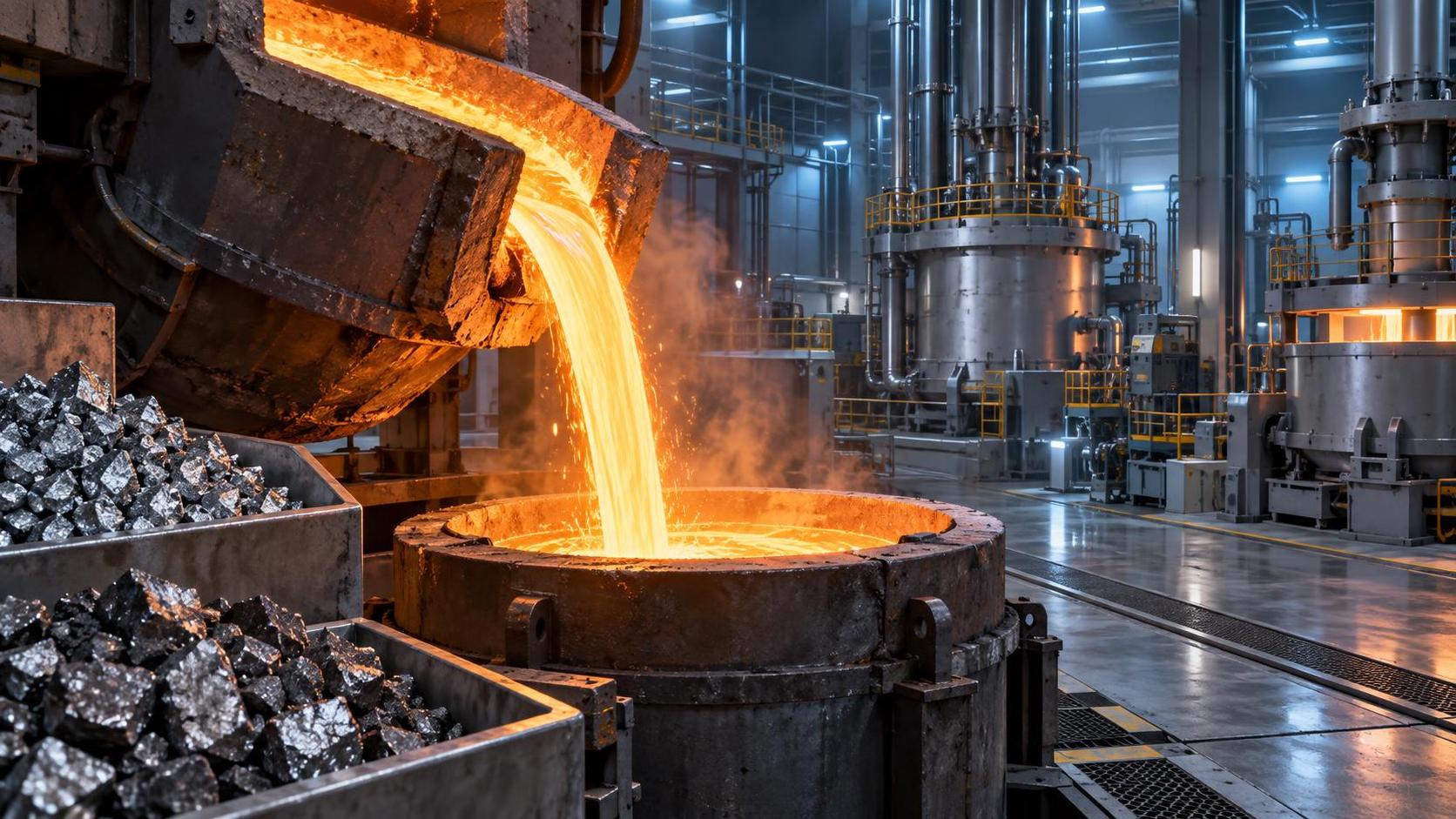
 How Ferroalloy Chemistry Influences Inclusion Control in High-Strength Steel
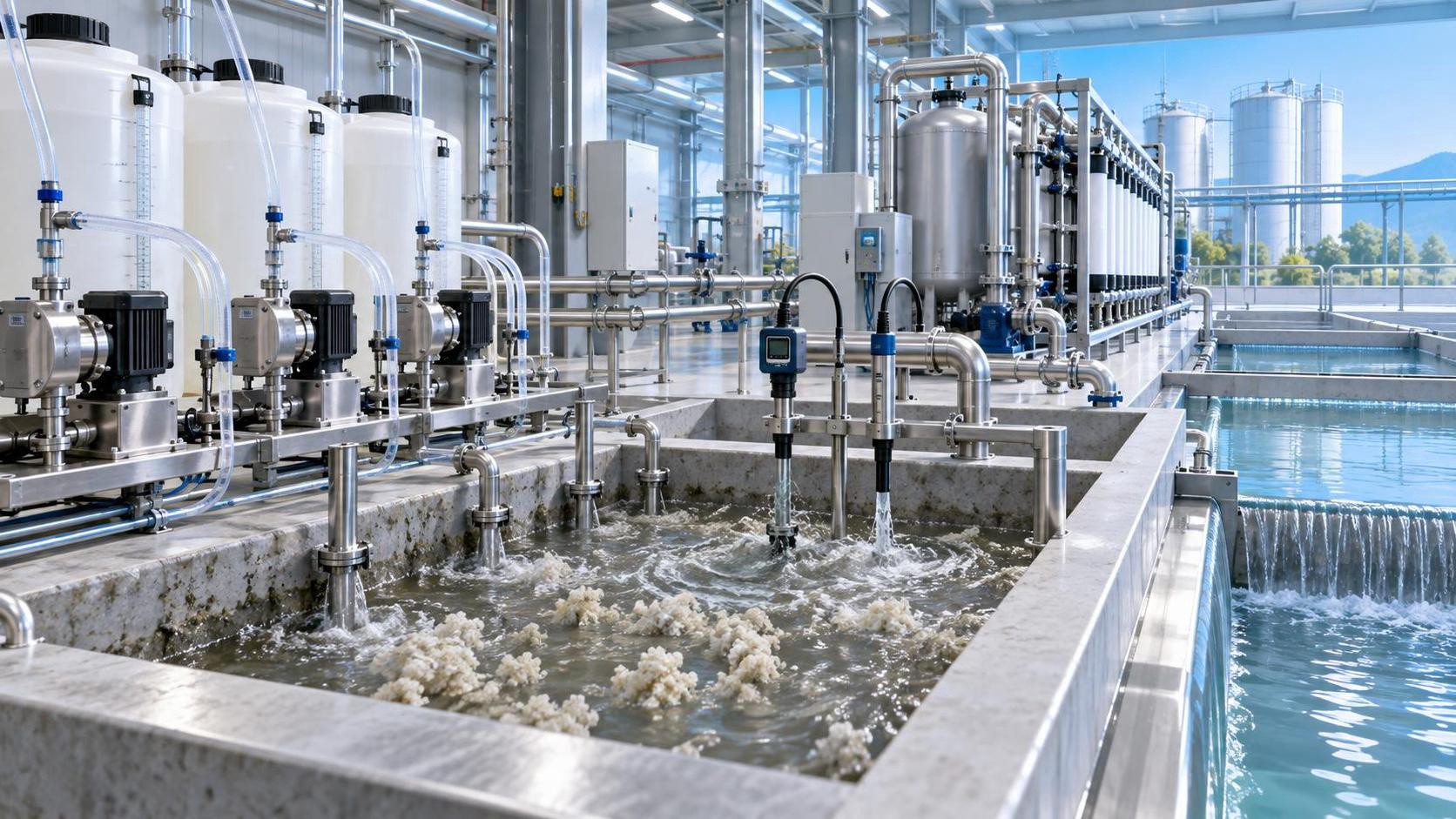
 Water Treatment Chemicals: Building a Dosing Program for Variable Wastewater Loads
Send Us A Message
Selecting Chemical Raw Materials: Purity, Compatibility, and Supply Risk Criteria
Selecting Chemical Raw Materials: Purity, Compatibility, and Supply Risk Criteria
Selecting Chemical Raw Materials requires more than comparing specifications and prices. Technical evaluators must verify consistent quality, process fit, compliant handling, package protection, and dependable supply before source approval.
The strongest purchasing decision is based on evidence across the material lifecycle: qualification samples, batch documentation, plant trials, logistics controls, and supplier continuity planning.
Start With Purity Consistency, Not Just a Single Specification
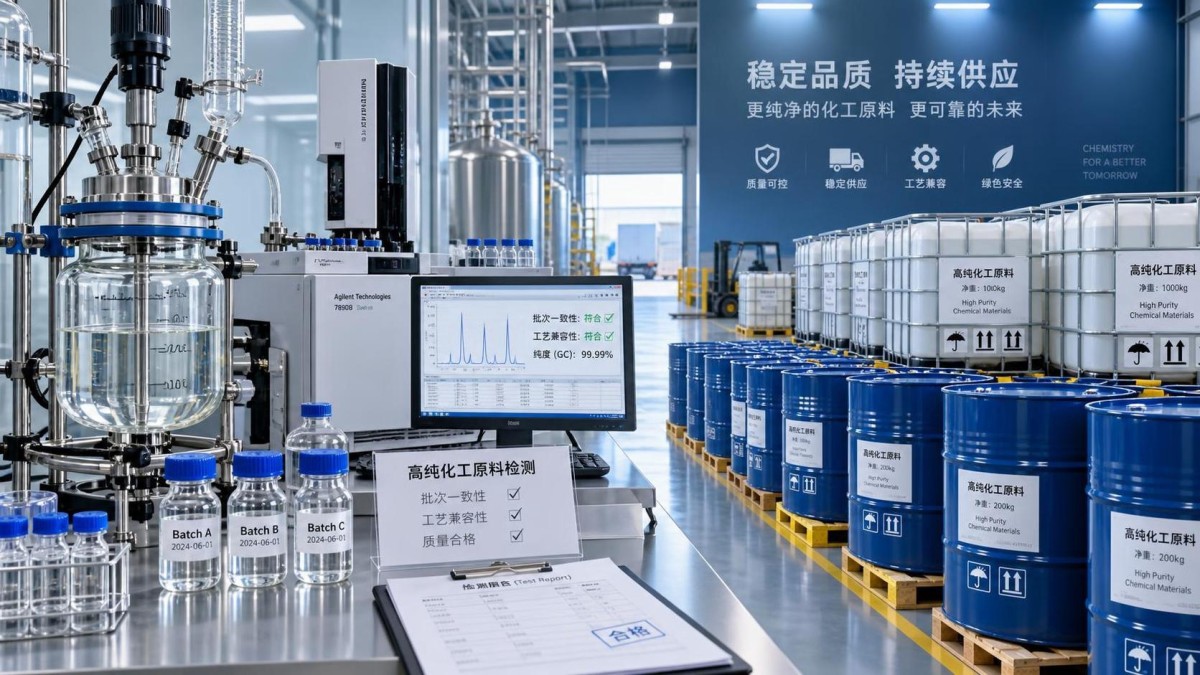
A certificate of analysis can confirm one shipment meets requirements, but technical evaluators need evidence that critical attributes remain stable across multiple production batches.
Define the parameters that directly affect product performance, such as assay, moisture, particle size, color, acidity, trace metals, residual solvents, or inhibitor concentration.
For each critical parameter, establish acceptable ranges rather than relying only on nominal values. A material specified at 99% purity may still create issues through variable impurity profiles.
Request recent certificates of analysis from different lots, along with test methods, detection limits, and sampling procedures. This helps identify whether reported data is comparable and reproducible.
Supplier quality systems should also support traceability from finished material back to raw inputs, processing records, storage conditions, and packaging operations.
Confirm Compatibility With Your Actual Process Conditions
Chemical Raw Materials must be assessed within the operating environment, not only against a product datasheet. Compatibility depends on temperature, pressure, mixing sequence, equipment, and exposure time.
Review possible reactions with process solvents, catalysts, additives, liners, seals, hoses, valves, and storage tanks. Minor incompatibilities can cause contamination, corrosion, gel formation, or safety incidents.
Laboratory testing should simulate real production conditions whenever possible. Include worst-case temperatures, extended holding periods, expected shear conditions, and likely contamination pathways during transfer.
For critical materials, conduct pilot-scale trials before full approval. Evaluate yield, reaction rate, final product quality, filtration behavior, waste generation, and cleaning requirements.
Document any required process changes, such as revised addition rates, nitrogen blanketing, new drying procedures, or modified storage limits. A qualified material should not create unplanned operational burden.
Evaluate Packaging and Logistics as Part of Material Quality
Material quality can deteriorate after manufacturing if packaging does not protect against moisture, oxygen, light, temperature variation, leakage, or cross-contamination during transportation.
Assess whether drums, intermediate bulk containers, bags, or specialty containers are suitable for the chemical's hazard class, shelf life, handling equipment, and destination climate.
For hygroscopic, volatile, oxidizable, or light-sensitive products, confirm liner materials, closures, desiccant use, inert gas protection, and tamper-evident sealing methods.
Global shipments require clear control over labeling, dangerous goods documentation, customs classification, and transport mode. Documentation errors can delay critical Chemical Raw Materials at ports or borders.
Ask suppliers how they manage temperature-sensitive cargo, damaged-package reporting, cargo insurance, container loading, and emergency response. These controls reduce risk after the material leaves the factory.
Measure Supply Risk Beyond Price and Lead Time
A low unit price does not offset production disruption. Technical evaluators should assess supply risk through manufacturing capacity, geographic exposure, raw input dependency, inventory policy, and logistics alternatives.
Determine whether the supplier operates its own production assets or depends on traders and subcontractors. Direct manufacturing visibility generally improves control over quality changes and supply allocation.
Review historical on-time delivery performance, typical lead times, minimum order quantities, and the supplier's ability to support urgent shipments during demand spikes or transport disruptions.
For strategically important materials, require change-notification procedures covering formulation adjustments, plant relocation, raw material substitutions, packaging revisions, and test-method changes.
Dual sourcing can reduce dependency, but alternative sources must be technically qualified before a disruption occurs. Maintain approved specifications and comparison data for every backup supplier.
Use a Practical Approval Framework
A structured scorecard helps teams compare Chemical Raw Materials objectively. Weight criteria according to operational risk, with quality consistency and process compatibility usually receiving the highest priority.
Include analytical performance, documentation quality, sample trial results, regulatory status, packaging suitability, logistics capability, commercial terms, and supply continuity in the evaluation.
Regulatory review should cover applicable chemical inventories, safety data sheets, transport classifications, restricted substances, and customer-specific compliance requirements for target markets.
Approval should involve quality, production, procurement, regulatory, and safety stakeholders. Cross-functional review prevents a technically acceptable material from creating commercial or handling problems later.
After approval, monitor supplier performance through incoming inspection trends, nonconformance records, delivery accuracy, complaints, and periodic document updates. Qualification is an ongoing control process, not a one-time event.
Conclusion
Selecting Chemical Raw Materials successfully means balancing purity, process performance, packaging protection, regulatory compliance, and supply resilience. The best source is the one that performs predictably throughout production and delivery.
Technical evaluators should prioritize verified batch consistency, realistic compatibility testing, documented logistics controls, and measurable continuity planning before approving a supplier for critical industrial applications.