


Solutions
Chemical Solutions
Practical chemical sourcing solutions tailored to different industries and application needs.
recommend
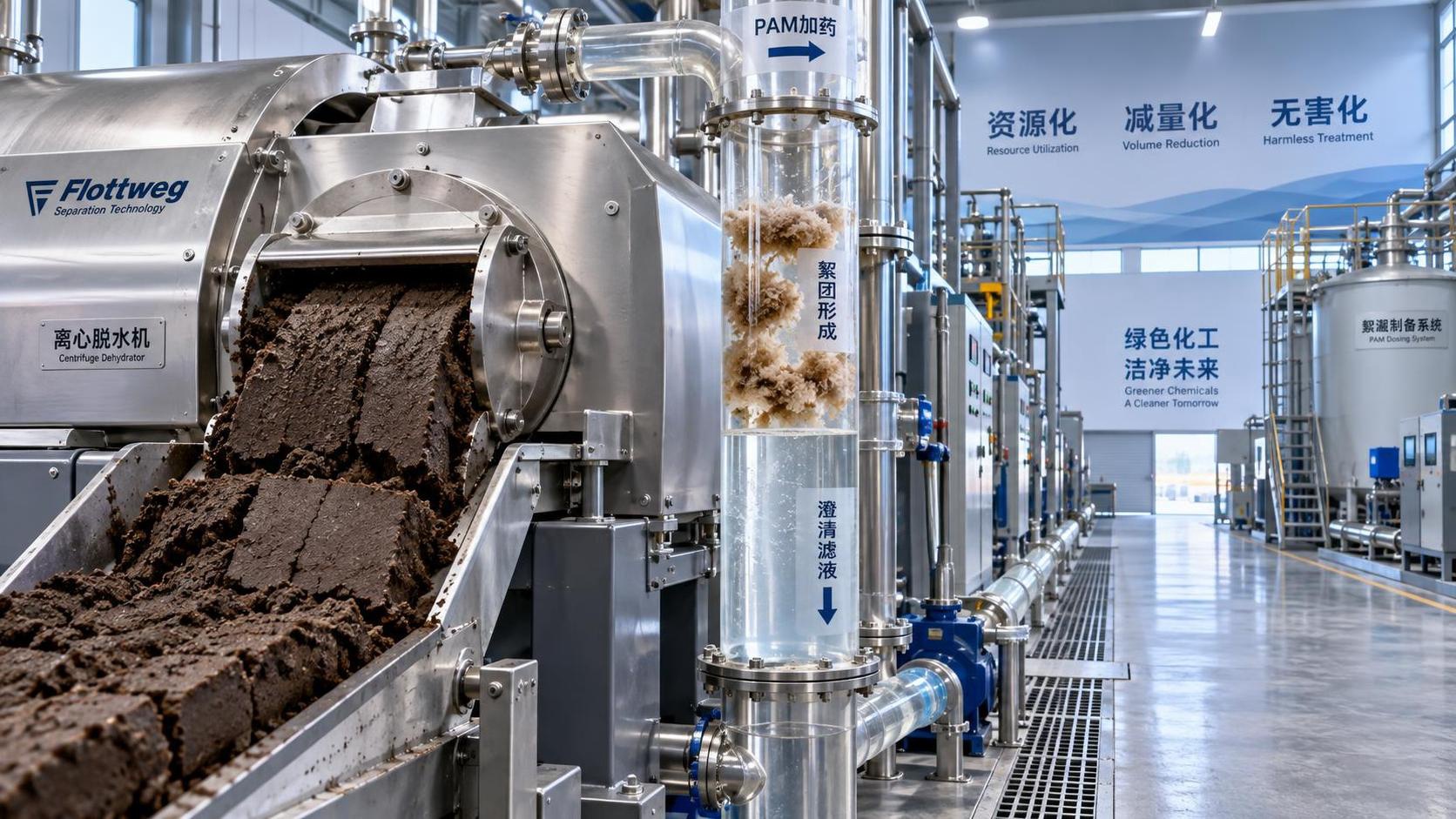
 Choosing Polyacrylamide Grades by Sludge Dewatering Cost and Cake Solids
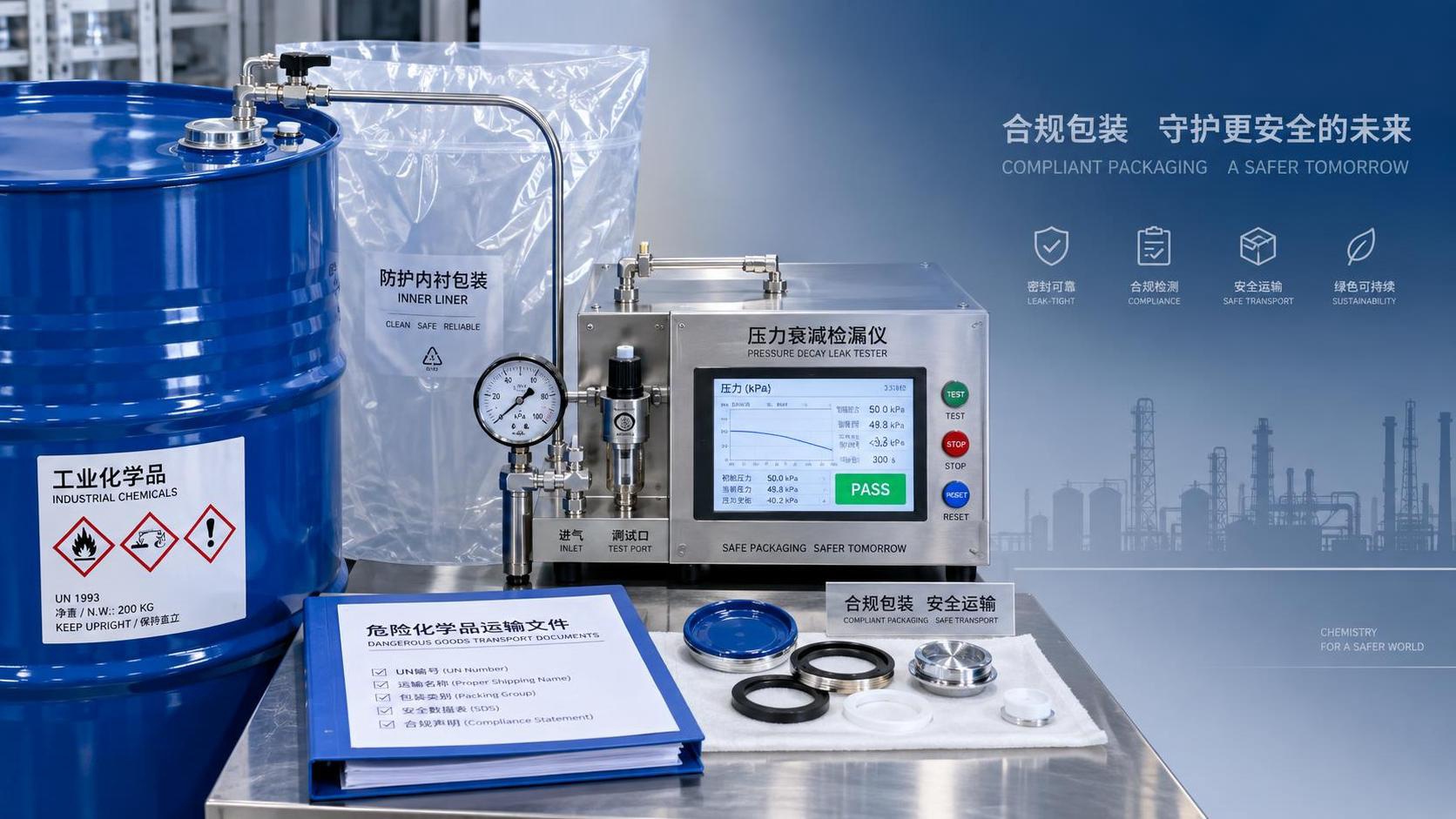
 Custom Chemical Packaging: Leak Tests and Compliance Checks for Hazardous Transport
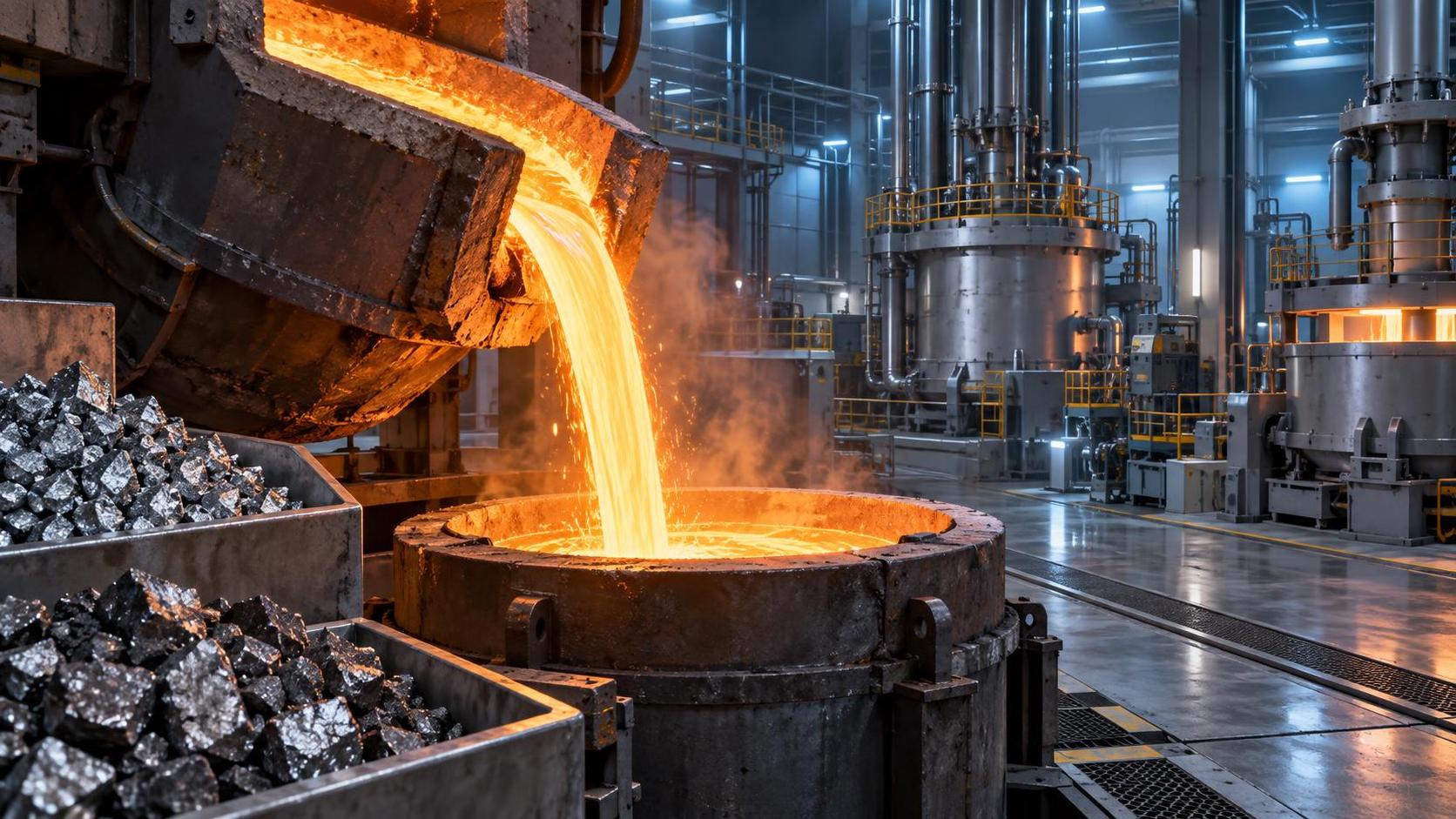
 How Ferroalloy Chemistry Influences Inclusion Control in High-Strength Steel
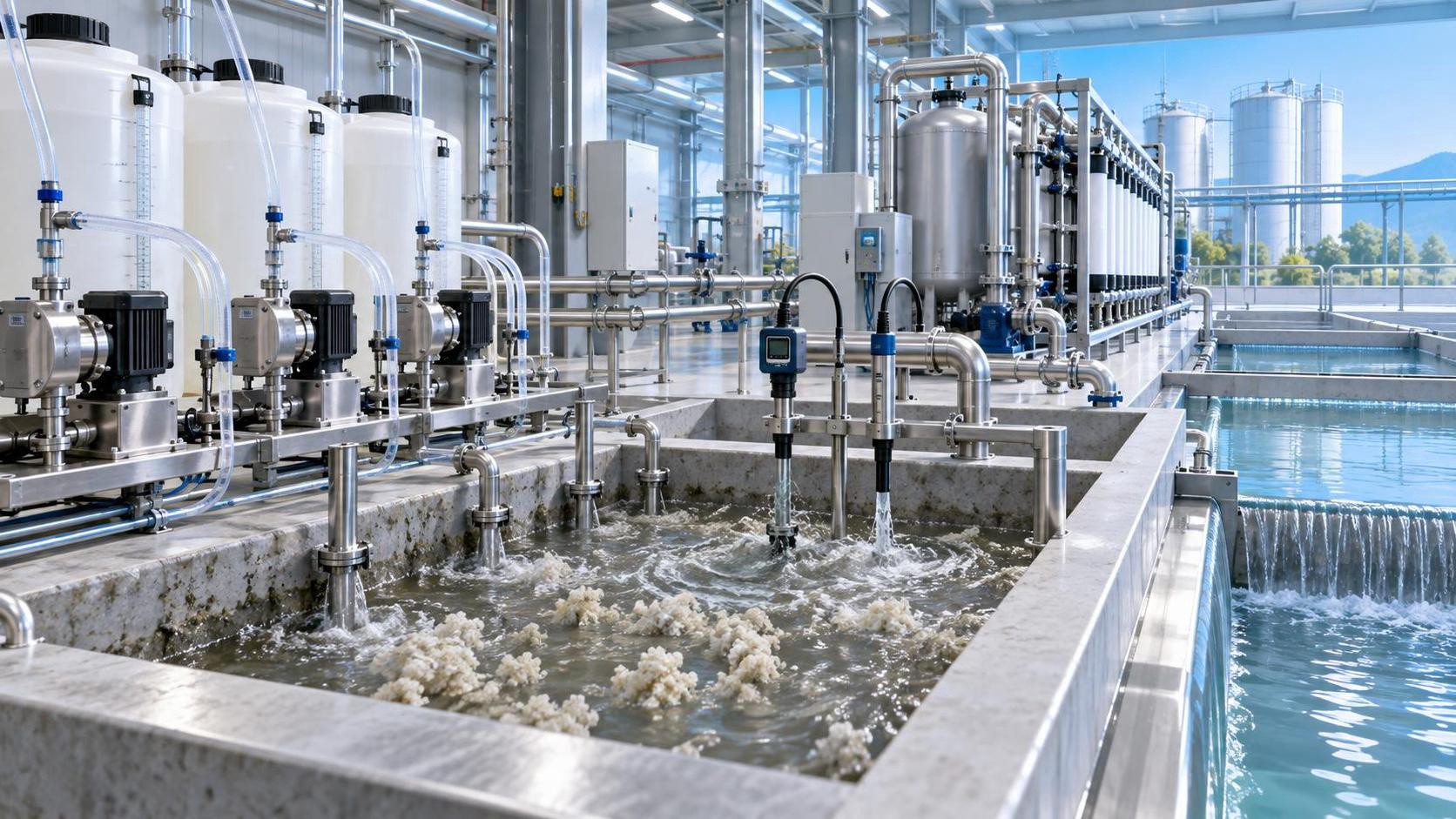
 Water Treatment Chemicals: Building a Dosing Program for Variable Wastewater Loads
Send Us A Message
How Ferroalloy Chemistry Influences Inclusion Control in High-Strength Steel
In high-strength steel production, Ferroalloys do far more than adjust composition—they directly shape inclusion behavior, cleanliness, and final mechanical performance for demanding engineering applications.
For technical evaluators, the central question is whether ferroalloy chemistry supports stable inclusion control without creating process variability, excessive oxide populations, or harmful sulfide morphologies.
A reliable assessment therefore requires examining alloy purity, deoxidation sequence, trace-element content, recovery consistency, and compatibility with the steelmaker's refining practice.
Why Ferroalloy Selection Matters Beyond Target Chemistry
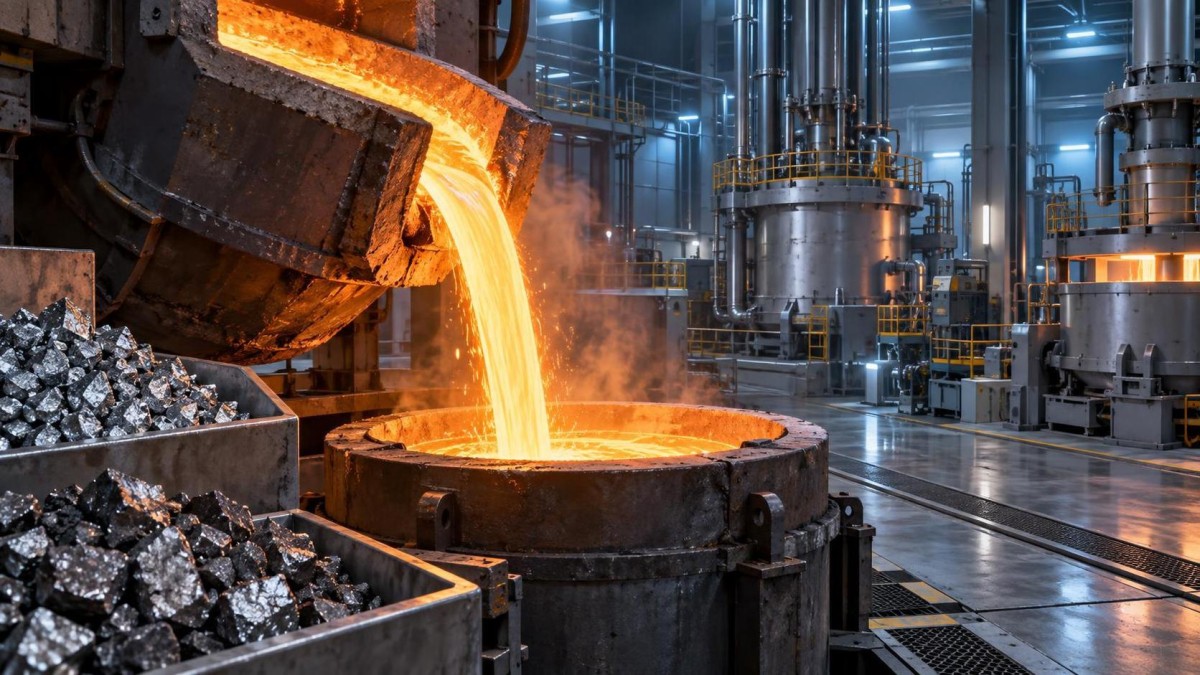
High-strength steel is sensitive to non-metallic inclusions because they can initiate fatigue cracks, reduce toughness, impair weldability, and create inconsistent forming performance across production lots.
Ferroalloys introduce essential elements such as manganese, silicon, chromium, vanadium, niobium, titanium, and aluminum, yet they may also carry oxygen, sulfur, nitrogen, carbon, or residual impurities.
Technical evaluators should view each ferroalloy as both an alloying input and an inclusion-engineering input, especially where cleanliness requirements are linked to critical service conditions.
The same nominal alloy composition can produce different outcomes when particle size, moisture control, impurity levels, and dissolution behavior differ between suppliers or batches.
Deoxidation Chemistry Determines the Initial Inclusion Population
Silicon, manganese, and aluminum-bearing Ferroalloys are widely used during deoxidation, but their relative strength and addition timing determine which oxide inclusions form first.
Aluminum is a powerful deoxidizer and can lower dissolved oxygen effectively, yet excessive aluminum may produce hard alumina clusters that challenge casting and downstream cleanliness.
Silicon-manganese additions commonly generate manganese silicate inclusions, which may be more deformable than alumina but still require controlled oxygen potential and slag practice.
For high-strength grades, evaluators should request data on total oxygen, soluble aluminum, inclusion morphology, and deoxidation practice rather than relying solely on ferroalloy certificates.
Managing Sulfur Through Manganese and Calcium Chemistry
Manganese Ferroalloys play a major role in sulfur control by forming manganese sulfides, reducing the risk of iron sulfide films that can cause hot-shortness during rolling.
However, elongated manganese sulfides may reduce transverse ductility and impact toughness, particularly in plate, automotive, pipeline, and structural steel requiring directional consistency.
Calcium treatment can modify alumina and manganese sulfide inclusions into more globular calcium aluminate or calcium sulfide phases when sulfur and oxygen windows are controlled.
Evaluators should confirm whether the selected ferroalloys support the intended calcium-treatment route, because uncontrolled aluminum, oxygen, or sulfur levels can narrow the effective modification window.
Trace Elements Can Create Hidden Process and Performance Risks
High-purity Ferroalloys reduce uncertainty from residual elements such as phosphorus, sulfur, copper, tin, lead, arsenic, and excessive nitrogen, each of which may affect steel performance.
Phosphorus can impair low-temperature toughness, while copper and tin may contribute to surface cracking risks under certain thermal processing conditions and scrap-based charge conditions.
Nitrogen control is especially important in microalloyed steels, where interactions with titanium, vanadium, and aluminum influence precipitation behavior, grain refinement, and strength consistency.
A technical evaluation should compare typical and maximum impurity values, not only specification limits, because operational risk often arises from normal batch-to-batch variation.
What to Verify When Qualifying Ferroalloy Suppliers
Supplier qualification should include chemical consistency, particle-size distribution, moisture management, packaging integrity, traceability, and evidence that material handling prevents contamination before furnace charging.
For critical grades, request lot-specific certificates covering major elements, carbon, sulfur, phosphorus, aluminum, nitrogen, oxygen where relevant, and agreed residual-element reporting limits.
It is also useful to assess alloy recovery and dissolution behavior under actual furnace conditions, since chemical yield affects both cost control and inclusion stability.
Professional logistics and tailored packaging matter because oxidation, fines generation, water exposure, and cross-contamination can undermine the benefits of high-purity chemical raw materials.
Conclusion: Evaluate Ferroalloys as Cleanliness-Control Inputs
For high-strength steel, Ferroalloys should be evaluated as active tools for inclusion control rather than simple composition adjustments measured only by elemental assay.
The strongest procurement decisions connect alloy chemistry with deoxidation practice, sulfide modification, residual control, handling quality, and verified performance in the intended steelmaking route.