


Solutions
Chemical Solutions
Practical chemical sourcing solutions tailored to different industries and application needs.
recommend
 Choosing Polyacrylamide Grades by Sludge Dewatering Cost and Cake Solids
 Custom Chemical Packaging: Leak Tests and Compliance Checks for Hazardous Transport
 How Ferroalloy Chemistry Influences Inclusion Control in High-Strength Steel
 Water Treatment Chemicals: Building a Dosing Program for Variable Wastewater Loads
Send Us A Message
Choosing Polyacrylamide Grades by Sludge Dewatering Cost and Cake Solids
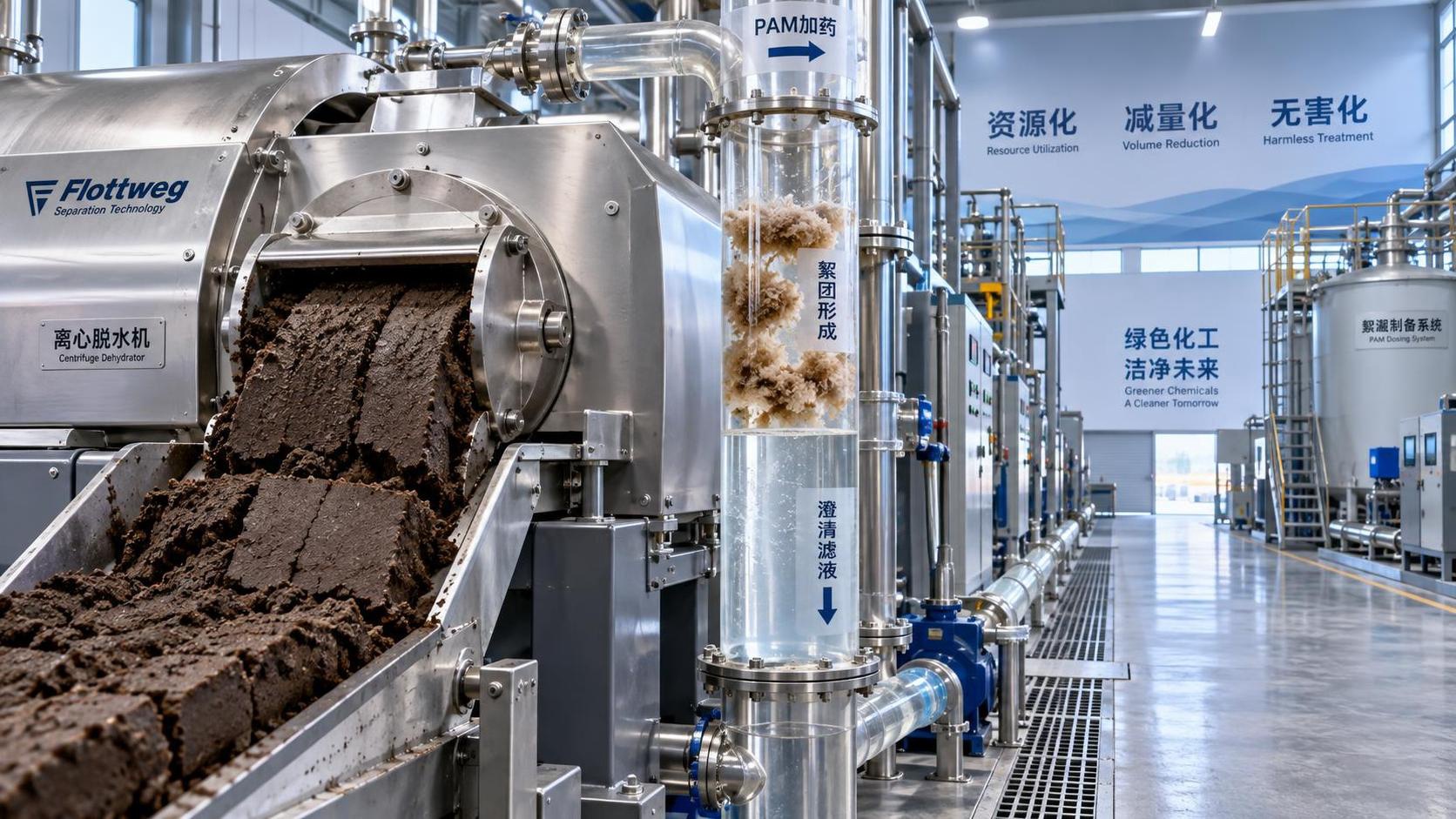
Polyacrylamide selection for sludge dewatering should start with total cost per tonne of dry solids, not the price per kilogram of polymer. A lower-priced grade can increase consumption, reduce cake solids, slow centrifuge or filter press throughput, and leave more water to transport or dispose of. The right grade is the one that produces stable flocs, acceptable cake dryness, and consistent machine performance at the lowest overall operating cost.
Match the polymer charge to the sludge before comparing quotations
Sludge type determines whether an anionic, cationic, or nonionic Polyacrylamide is a realistic starting point. Municipal biological sludge, mixed primary and secondary sludge, and many industrial organic sludges often respond best to cationic grades because their suspended solids tend to carry a negative surface charge. Cationic polymers neutralize that charge and help particles join into larger, drainable flocs.
Anionic grades are more commonly considered for mineral-rich, inorganic, or chemically precipitated sludge, particularly where the solids have been conditioned with coagulants or lime. Nonionic products can be useful when charge-based selection is less predictable, but they should not be treated as a universal substitute for proper sludge characterization.
The same wastewater plant can need different grades after a change in influent, biological process, coagulant program, pH, or sludge blending ratio. Purchasing a grade solely because it worked at another site is a frequent cause of unstable dewatering results.
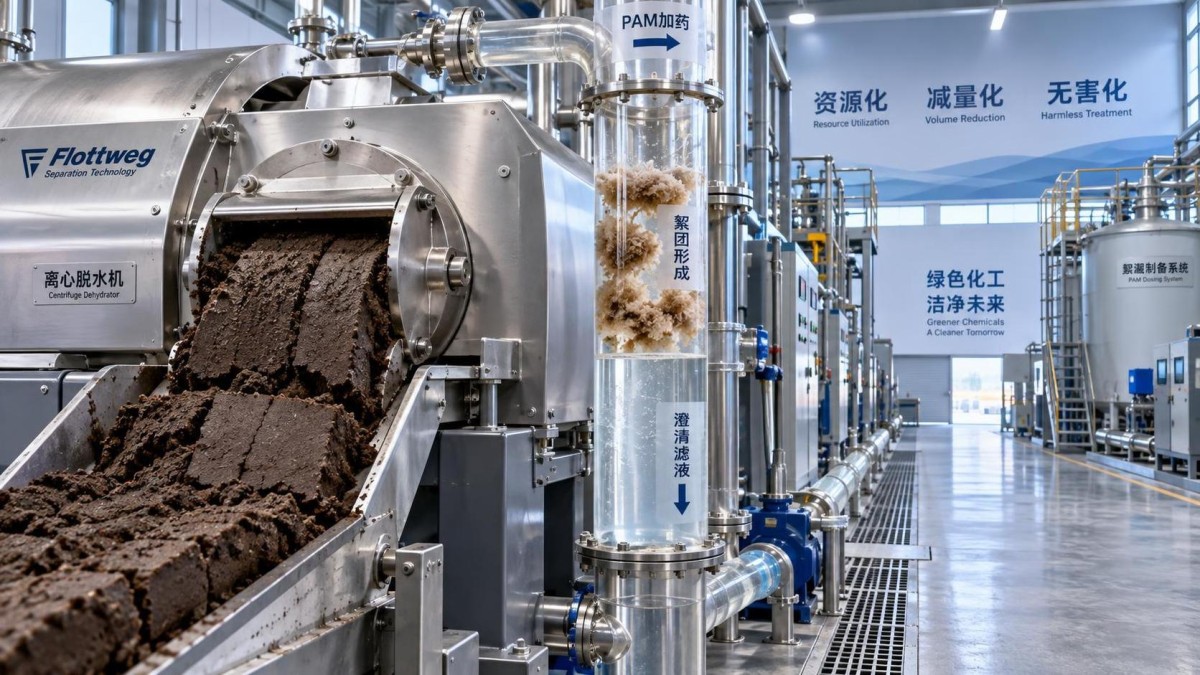
Cake solids matter because water is usually the expensive part
A higher cake solids result generally means less water is carried with the sludge. That can reduce hauling volume, downstream drying demand, and disposal handling. However, the highest possible cake solids is not always the lowest-cost outcome. A grade that marginally improves dryness but requires much more polymer, causes poor filtration speed, or disrupts equipment operation may raise total cost.
Compare candidate grades under the same sludge sample, dilution method, make-down time, equipment settings, and operating conditions. Review polymer use together with cake solids, filtrate or centrate clarity, solids capture, throughput, and operator intervention. A trial should also observe whether flocs remain intact under shear. Large but fragile flocs may look promising in a jar test yet break down in pumps, centrifuges, or high-speed mixing zones.
Use delivered cost, not unit price, in the buying decision
For procurement, the practical comparison is the cost of treating a defined quantity of sludge. Include polymer consumption, freight, storage requirements, solution preparation, packaging waste, and the operational cost of wetter cake. A supplier quotation that appears competitive can become less attractive when the product has inconsistent active content, poor dissolution behavior, or variable batch performance.
Request a technical data sheet, certificate of analysis, recommended preparation concentration, dissolution guidance, and a representative sample for controlled testing. For emulsion products, also confirm the need for inversion equipment and compatible carrier handling. For powder products, assess dust control, bag handling, and the actual time needed to prepare a fully activated solution.
Supply consistency is part of dewatering performance
Once a grade has been qualified, changing origin or formulation without a structured comparison can create unexpected costs. Small differences in charge density, molecular weight distribution, dissolution behavior, or product stability may alter flocculation performance. Procurement specifications should therefore define the approved grade, acceptable quality documentation, packaging format, shelf-life expectations, and change-control requirements.
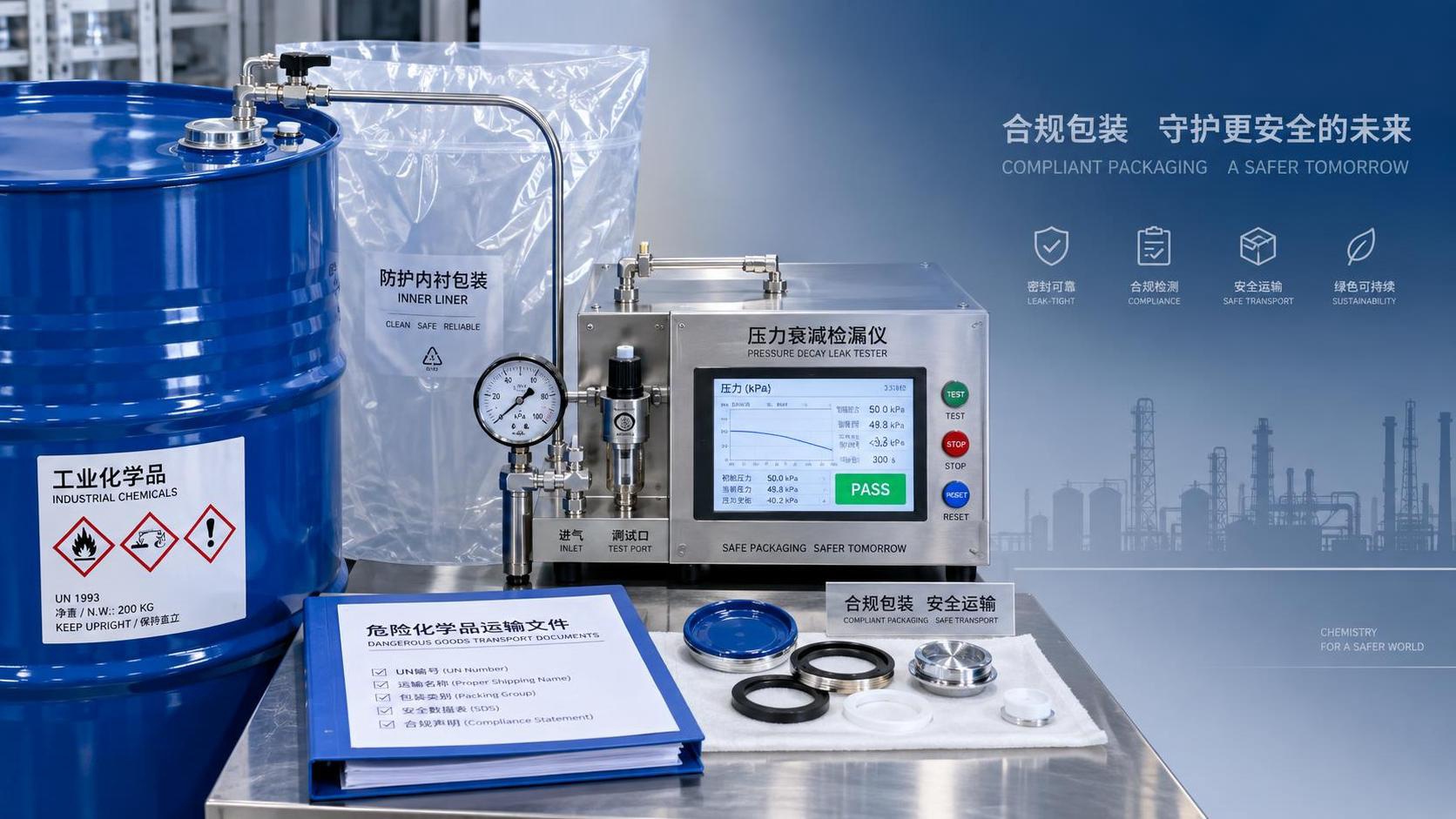
For cross-border supply, packaging should fit the site’s handling equipment and storage conditions. Reliable logistics, moisture-protective packaging for powder grades, and traceable batch documentation help prevent avoidable downtime. A manufacturing and export partner with high-purity raw materials, professional chemical logistics, and tailored packaging can support continuity, but the commercial decision should still be tied to validated dewatering results.
The most useful next step is to shortlist grades by sludge chemistry, then run a comparable plant-relevant trial and calculate cost per tonne of dry solids. That approach prevents a low purchase price from masking higher transport, disposal, and operating costs.